

The Great Burn ecosystem provides high-quality habitat for wildlife species that require large, intact blocks of functional landscapes to survive. In the years following the Great Fire of 1910, plants and animals have recovered and returned to the land, making it an ideal space for adventurous backcountry photographers, hunters, and wildlife watchers. Get to know the flora and fauna that call the Great Burn home.
ROOM TO ROAM:
FLORA & FAUNA IN THE BURN
THE WILDLIFE OF THE GREAT BURN
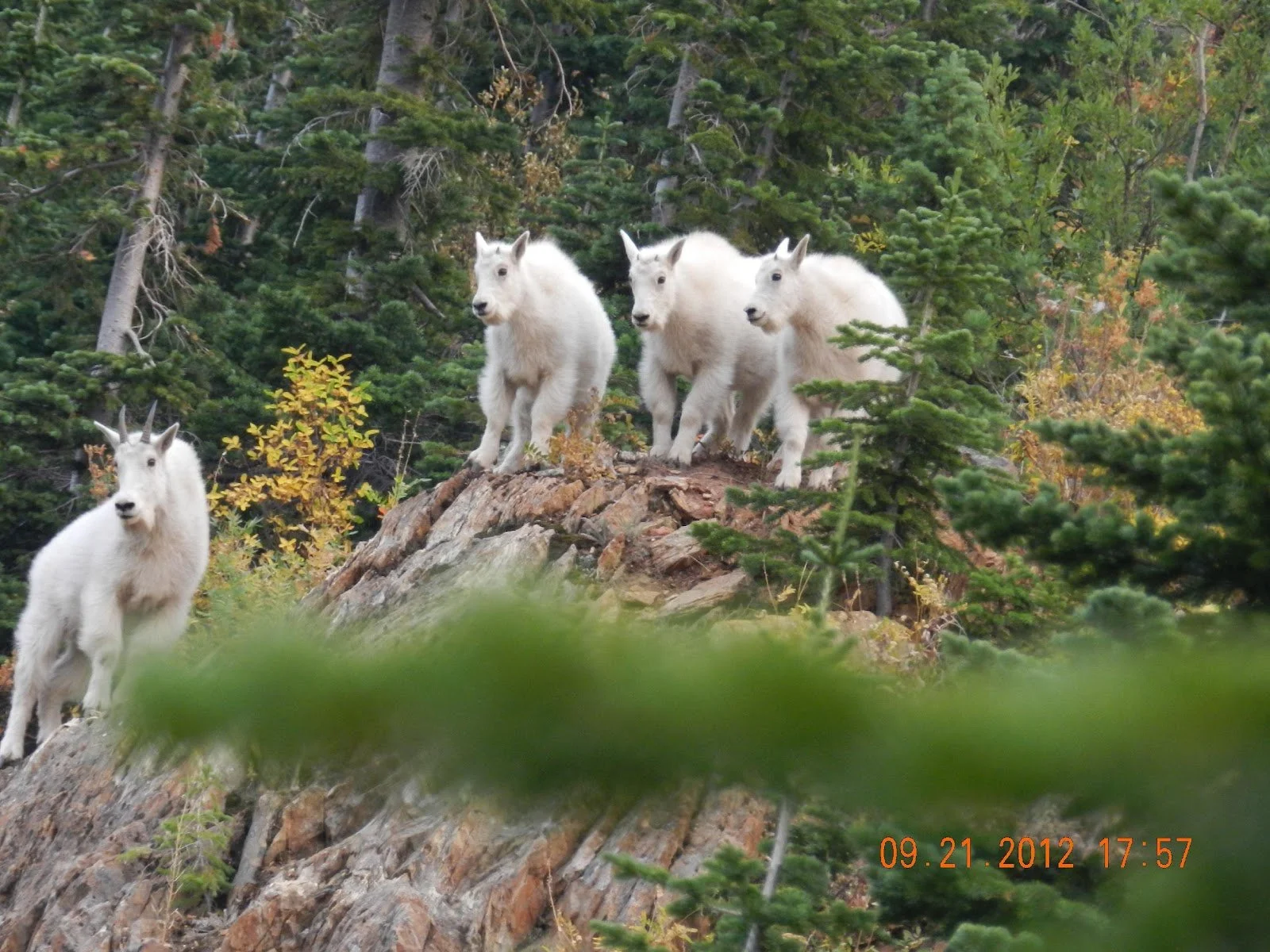
KIDDING AROUND: MOUNTAIN GOATS
The Great Burn ecosystem is home to three native herds of mountain goats, one of which spends its summers on the cliffs above one of the area’s most popular hiking destinations, Heart Lake. The Burn’s goats rely on its mountains to escape predation and to forage. Harsh winter winds drive these herds to lower lands for vegetation, where they’re more likely to encounter motorized recreation.
The GBCA established the Heart Lake Internship Program in 2021 to help minimize human impacts on native goat herds and educate visitors on mountain goat ecology and safety practices.
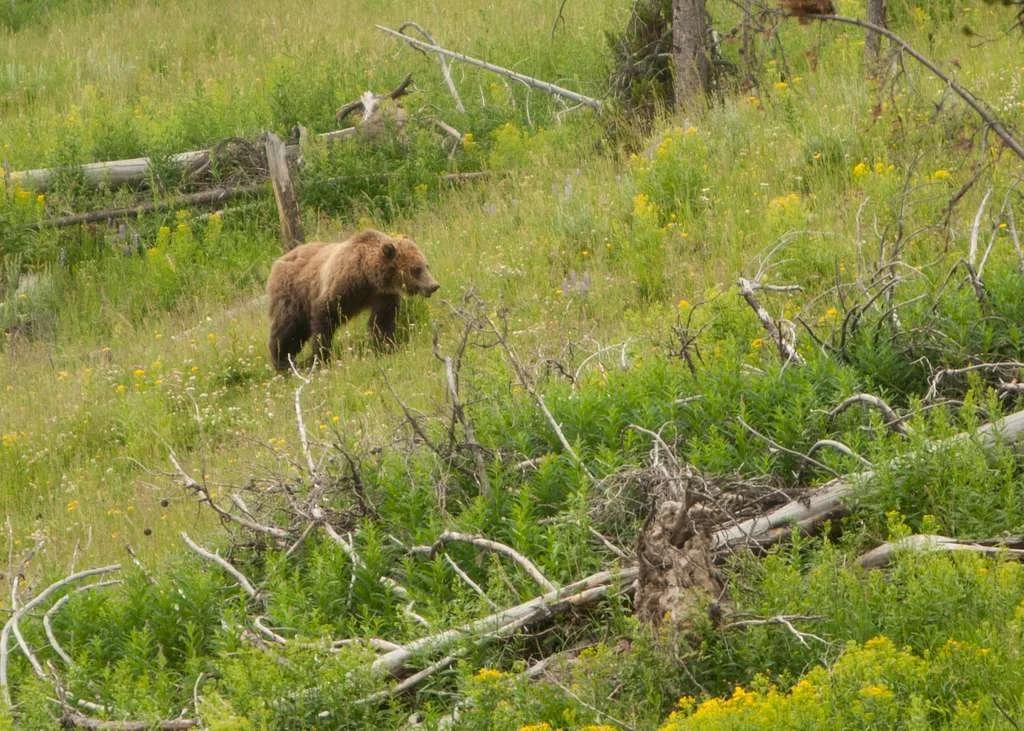
GRIZZLY BEARS IN RECOVERY ZONES
In 2007, a curious grizzly bear made its way from northern Idaho into the Great Burn Recommended Wilderness — the first documented grizzly in the area since the 1950s. It was a stark reminder that our Mission Area is a part of a much larger, connected landscape that countless species rely on.
The US Fish and Wildlife Service deemed the Great Burn ecosystem and its surrounding roadless lands as prime grizzly bear recovery habitat and a key corridor between the Bitterroot Ecosystem Grizzly Recovery Zone and population sources in the North Continental Divide and Greater Yellowstone Ecosystems.
The Great Burn is bear country, and recent sightings confirm that grizzly bears are already traveling through the area en route to the Recovery Zone. We encourage visitors to plan their visits accordingly and practice Leave No Trace principles for their safety and the health of the Burn we love.
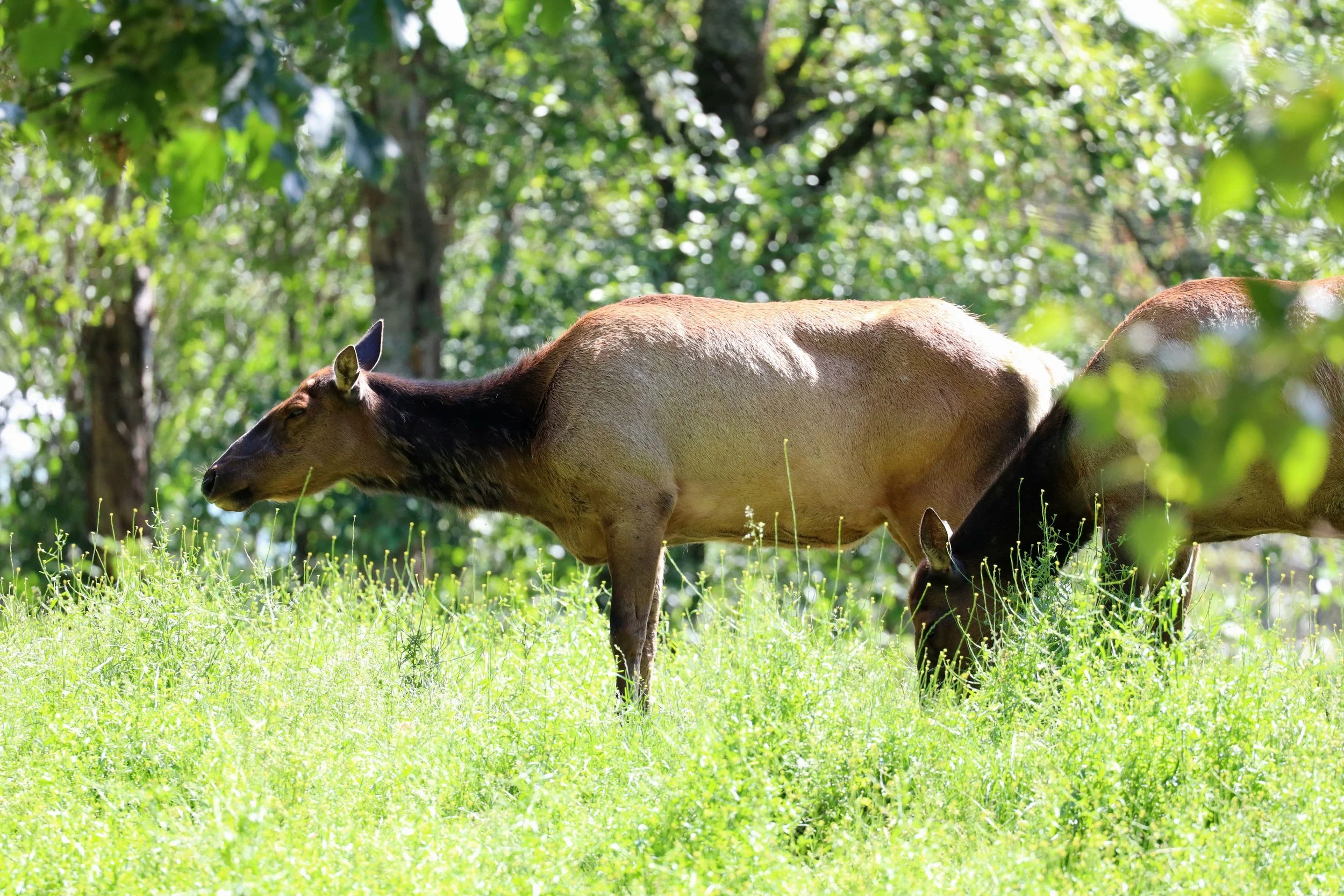
WHERE LARGE MAMMALS CAN FLOURISH
The Great Burn’s rugged and wild habitat boasts incredible biodiversity and serves as a haven for vulnerable and threatened species. Many species that are rapidly disappearing elsewhere on the continent, can flourish in the Burn — with the right protection.
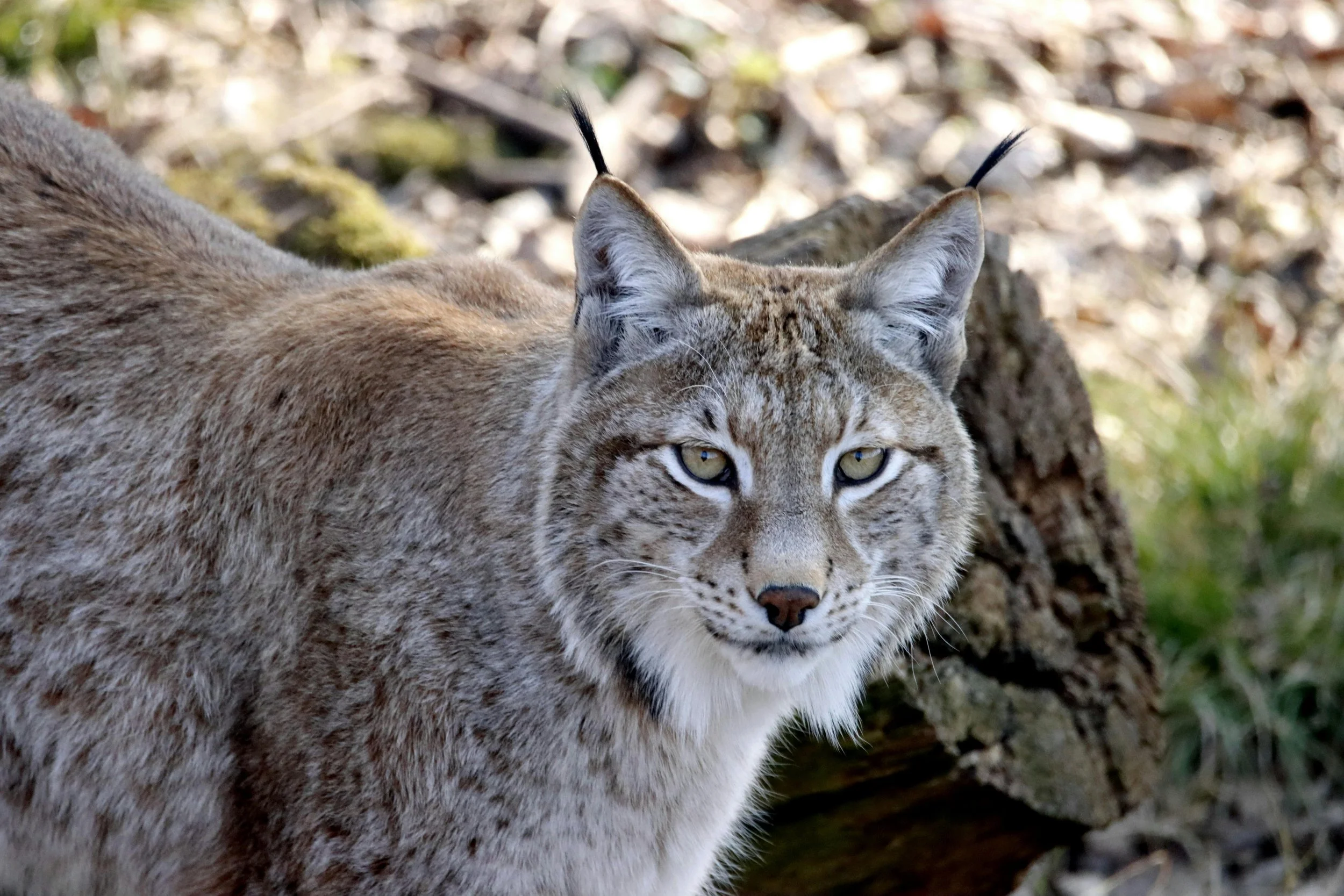
Wolverines, lynx, martens, Rocky Mountain elk, whitetail and mule deer, gray wolves, cougars, and black bears also hide, nest, and roam in the Great Burn.
But the reality is that changing forest plans, evolving management priorities, industrial development, and growing recreation pressure all pose significant risks to the Great Burn. Forest plans that safeguard intact habitat and ecological connectivity are essential to ensuring that large mammals can continue to thrive here for generations.
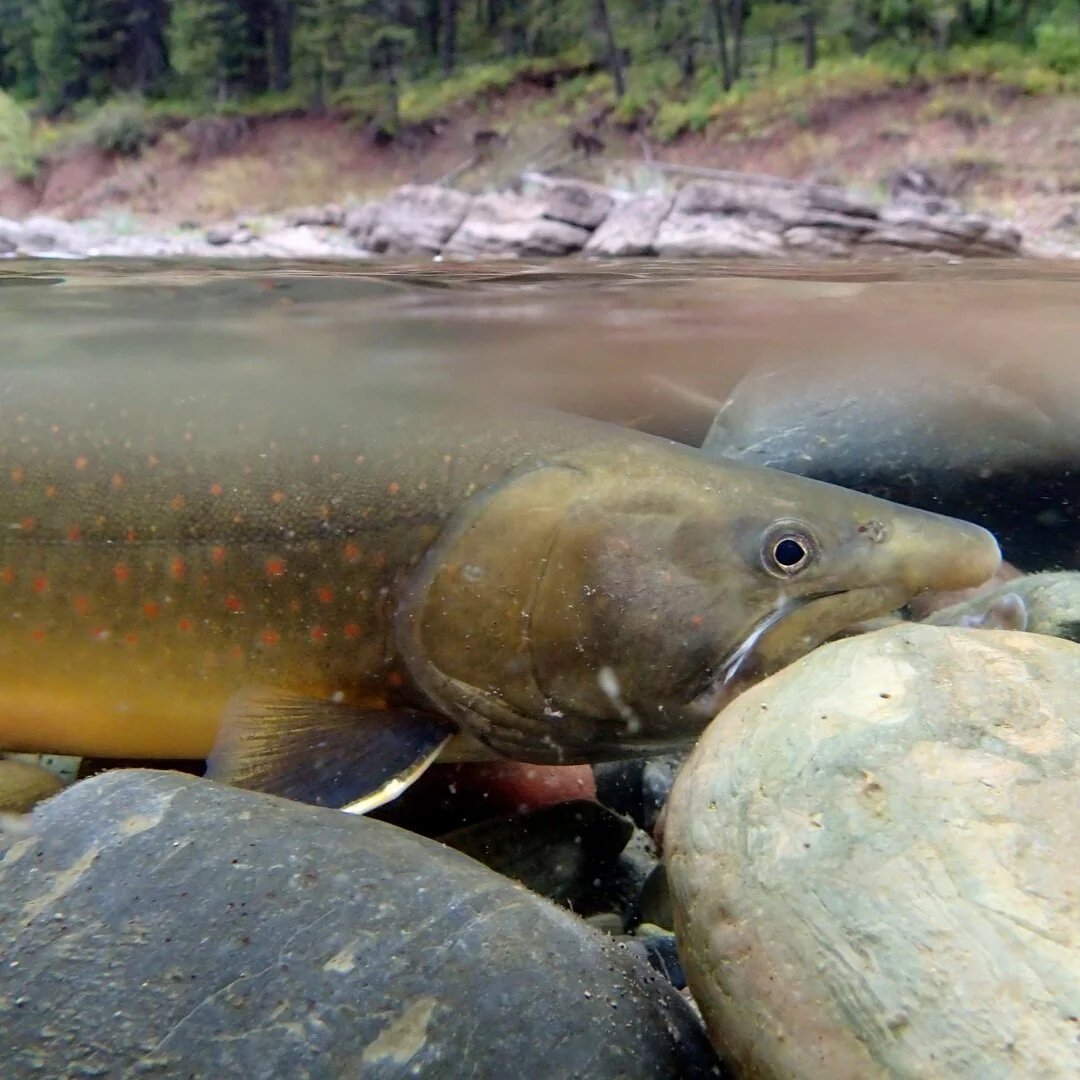
FREE-FLOWING WATERS FOR NATIVE BULL TROUT
The Great Burn ecosystem has 40 free-flowing river segments, including nine designated or recommended Wild and Scenic Rivers. The rivers of the Great Burn drain into the Snake and Clark Fork Rivers en route to the Columbia River and Pacific Ocean.
These pristine waters are critical habitat for threatened native bull trout and contain some of the last remaining populations of genetically pure westslope cutthroat trout.
ADVOCATING FOR THE GREAT BURN IN NEED
The Great Burn’s 1.9 million-acre roadless region forms an important connection between some of the largest remaining wildlands in the Northern Rockies.
It links the Crown of the Continent and Selkirk-Cabinet-Yaak ecosystems with the wildlands of central Idaho and the Greater Yellowstone Ecosystem. While many protected landscapes provide important north-south connections, the Great Burn also helps maintain connectivity across the Northern Rockies from west to east.
Despite its size, ecological importance, and role in connecting these major wildland ecosystems, much of the Great Burn ecosystem remains federally unprotected.
WILD AND GROWING:
FLORA iN THE GREAT BURN
From the tallest Ponderosa pines to the fire-resistant white bark pines, the rare yellow beardtongue, and the invasive yet beautiful oxeye daisy, the Great Burn is an ecologically diverse space for plants and flowers of all shades and varieties.
FieldS of Wildflowers
The Great Burn’s dozens of species of wildflowers aren’t just aesthetically pleasing. The wide varieties of larkspurs, forget-me-nots, and heather play an essential role in the Burn’s way of life. They’re food for pollinators, and their stable root systems prevent soil erosion while holding water and nutrients for the land.
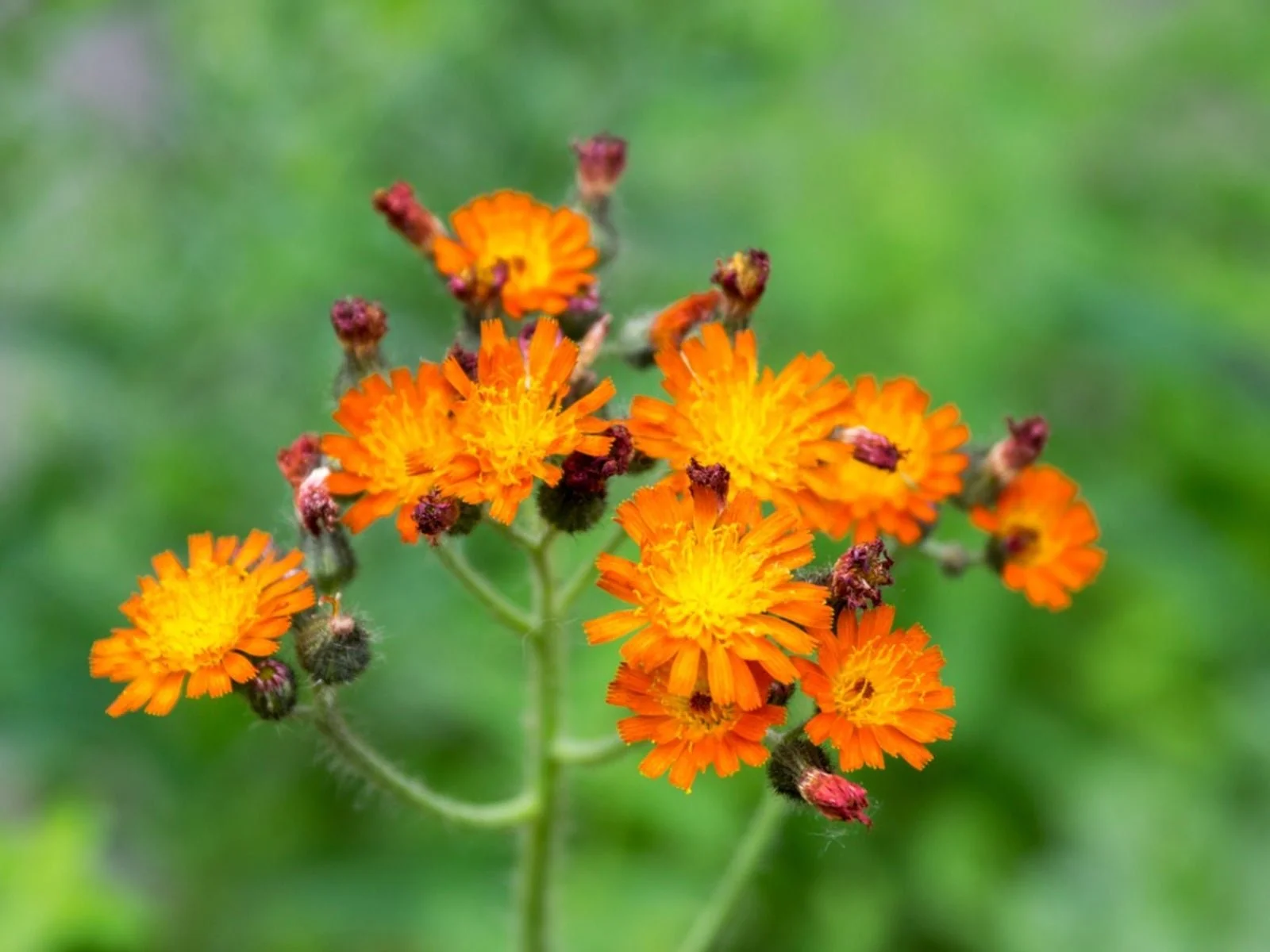
INVASIVE PLANTS
Invasive plants are non-native to an ecosystem and are likely to cause environmental, economic, or health-related harm. They’re both non-native and established, by definition, and grow and reproduce quickly.
In the Great Burn, invasive plants like Meadow Hawkweed, Canada Thistle, and Oxeye Daisy — as pretty as they might look — displace or outcompete native plant species for nutrients.
ENDEMIC PLANTS
An endemic plant species occurs only within a specific area, often not found elsewhere in the world.
Usually, these species are found in isolated areas and have highly specialized adaptations.
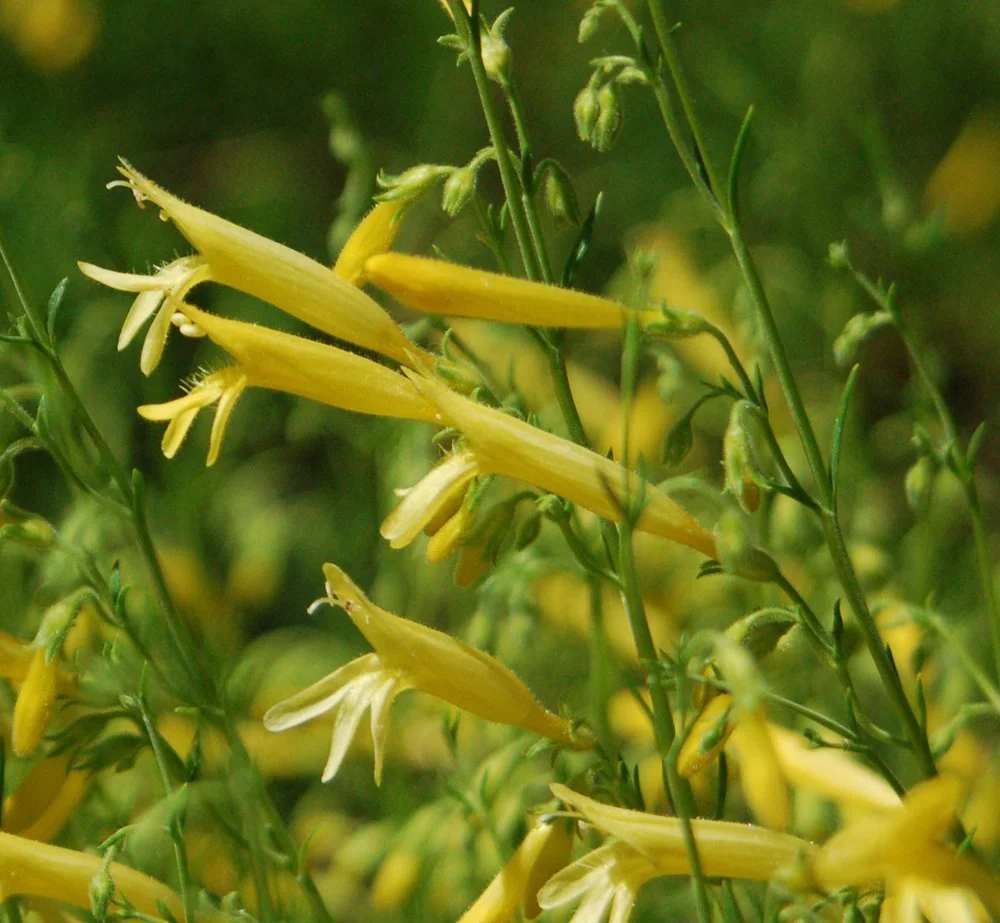
Yellow beardtongue (or yellow Penstemon) is an endemic plant to the Great Burn. It grows 10-20 inches tall and blooms in mid-summer, boasting dense whorls of small, light yellow to cream-colored flowers.
NATIVE PLANTS
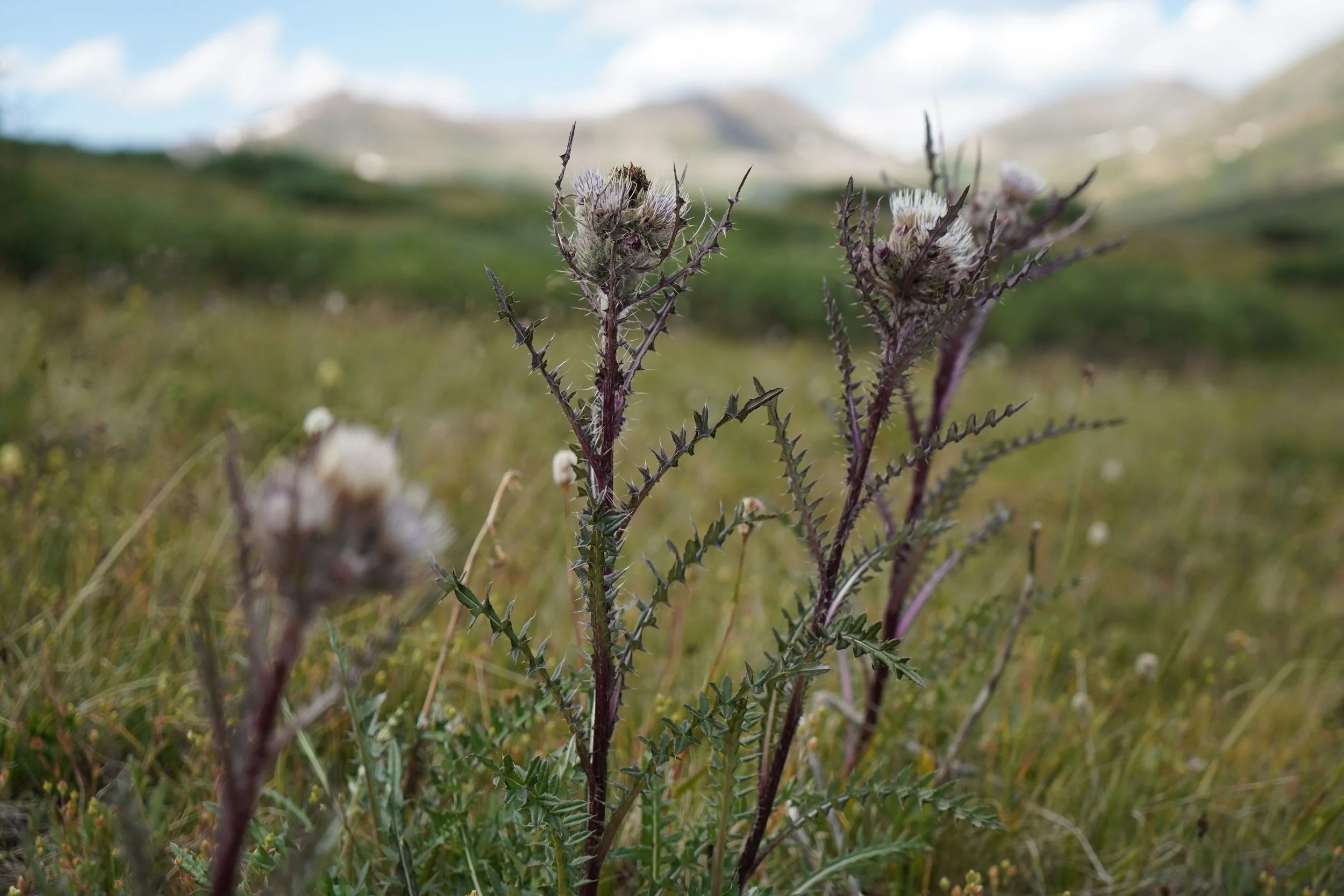
Native plants have evolved over long periods of time within a specific area where they are currently and historically found. These native species co-evolve with the environment and other species around them, making them critical to a functioning ecosystem.
Look closely, and you can spot elephanthead (Pedicularis groenlandica) and elk thistle (Cirsium scariosum) while you’re out in the Burn.
GBCA STEWARDSHIP REDUCES THE SPREAD OF INVASIVE PLANTS
The GBCA’s biocontrol work keeps invasive plants from spreading across the Great Burn. We collect and release host-specific natural enemies (aka small but mighty beetles and weevils) to curb invasive, non-native weed species.
All our biological control agents are carefully USDA-tested to ensure their effectiveness against target species and to minimize impacts on desirable non-target species.
THE SMALL BUT MIGHTY
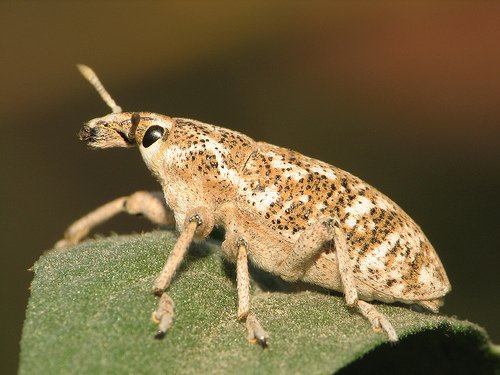
Cyphocleonus achates
The knapweed root weevil targets both spotted and diffuse knapweed. Its larvae feed on the roots, destroying the plant's energy reserves needed for growth.
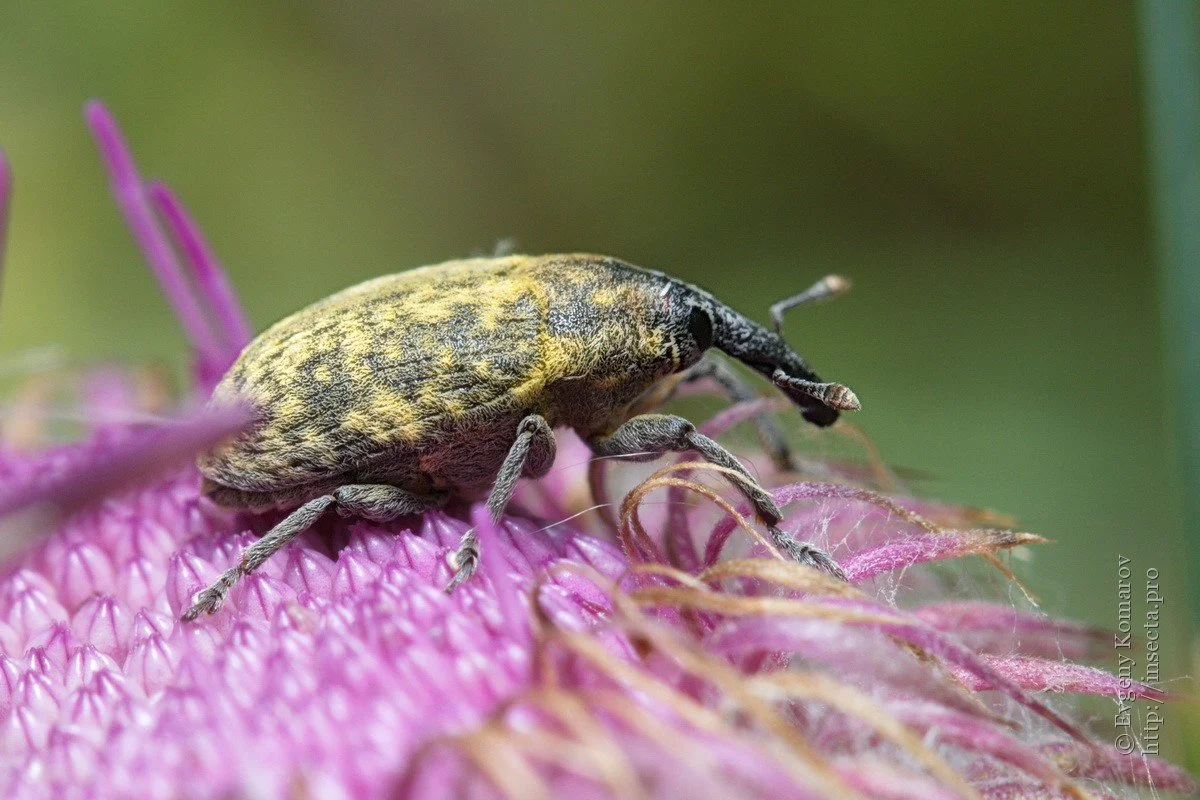
Larinus minutus
The seedhead-based weevil targets both spotted and diffuse knapweed. These biological control agents are strong fliers and can disperse quickly throughout entire knapweed patches.
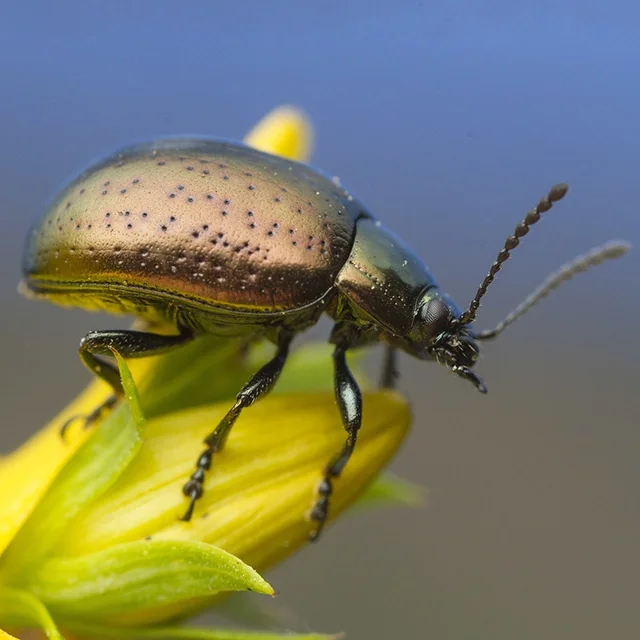
Chrysolina hyperici
The Klamath weed beetle feeds on the leaves of St. Johnswort. Adult Chrysolina beetles are known for their shiny metallic green, bronze, blue, or black color.
Make any recurring donation, and opt in to receive action alerts, volunteer information, newsletters, and other opportunities to get engaged to become a Friend of the Burn. You’ll join hundreds of others who are showing support for permanent protection of this special place, so that it can stay Wild and available for generations to come.
BECOME A FRIEND OF THE BURN
