
My name is Hope Sampson and since January of this year, I have been serving as a Big Sky Watershed Corps member for Great Burn Conservation Alliance (GBCA), fulfilling the role of Volunteer and Outreach Coordinator. As my time with GBCA comes to a close here in November, I find myself reflecting on the lessons I’ve learned over the year. If you’re willing to read on, I’d love to share some of them with you.
In September of 2025, I applied for the Montana Conservation Corps’ “Big Sky Watershed Corps” (BSWC) program. BSWC is an AmeriCorps Individual Placement Program, which places early career professionals with host sites across the state of Montana. The goal of the program is to develop young people, add capacity to local organizations and agencies, and to serve the community. The BSWC program has a particular focus of pairing service members with organizations whose mission is to steward and conserve Montana’s freshwater, native species, and agricultural resources. This is what drew me to the program, and after applying I was matched with GBCA as a host site. In my position with GBCA, I have served as the Volunteer and Outreach Coordinator, helping to plan, promote, and lead our volunteer trips, and assisting our permanent staff with other projects as needed.
From how to work in an office environment to how to lead volunteers in the field - much of what I’m taking away from this position differs from what I expected my first job out of undergrad to provide me. My education and experience throughout my undergraduate career primarily focused around ecological monitoring, wildlife research, and mapping. As I was heading into my first semi permanent job out of college, I had a lot of ideas about what working in natural resources was “supposed” to look like, and what qualified as meaningful work. While Great Burn does work in the monitoring realm, the primary focus of my position was going to be hands-on stewardship work - weed pulling, trail work, campsite maintenance, etc. As I dove into my role with Great Burn, I found it difficult to wrestle with the fact that I wasn’t doing the same type of science and academic research work I was used to. The reality of my position wasn’t aligning with what I believed meaningful work had to look like.
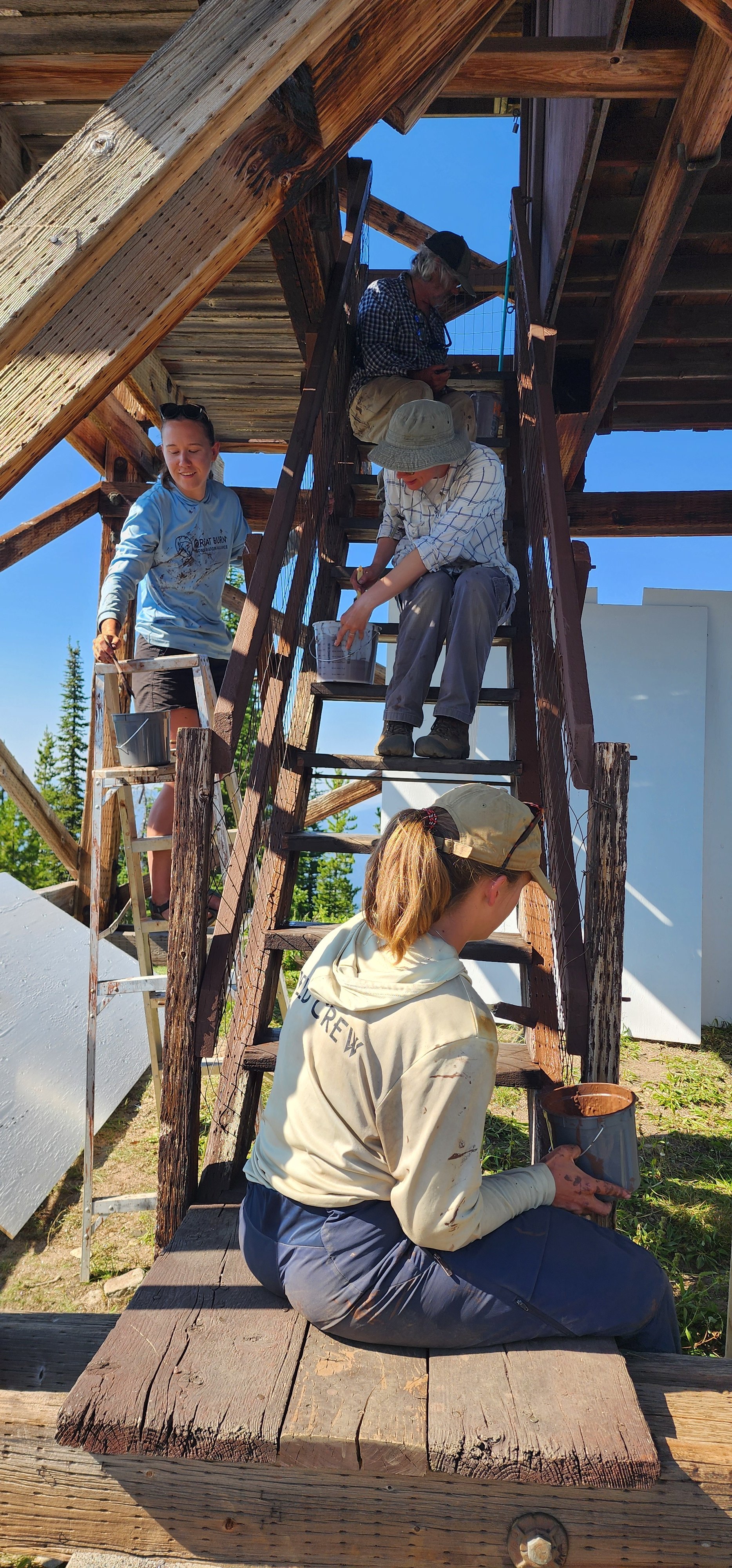
However, as my summer field season began to ramp up, and I spent more and more time in the woods with volunteers and trail folks, I began to realize that recreation is a much bigger part of natural resources than I had given it credit for. This summer I began to see that, while we undoubtedly need resource managers who focus solely on wildlife, and those who focus solely on plants, and so on, the job of resource managers who focus on human recreation is just as crucial. The amount of people that utilize our public lands, and the multitude of ways they recreate is astonishing. It is only through the work of thousands of dedicated professionals that everyday folks are able to use the trails, campsites, and roads that allow them to access their favorite ridgetop, lake, or river. This brings me to my second big takeaway of this year.
Up until this summer, I had never thoughtfully considered that many of the people recreating on public lands do not have an academic background or objective knowledge of natural resources. While someone might spend the majority of their life outdoors, and have a deep love and understanding of it from their experience recreating there, that does not necessarily translate to an understanding of the science and policy that govern our public lands. This does not discredit or disqualify their knowledge in any way, but it can make participating in discussion around policy difficult. My work with Great Burn illustrated the need for organizations to engage in advocacy and outreach, to bridge the gap between the lay person and convoluted policy and scientific language. This leads to a final, and perhaps the most prominent, lesson I will walk away from this year with: The role of non-profits as movers and shakers.
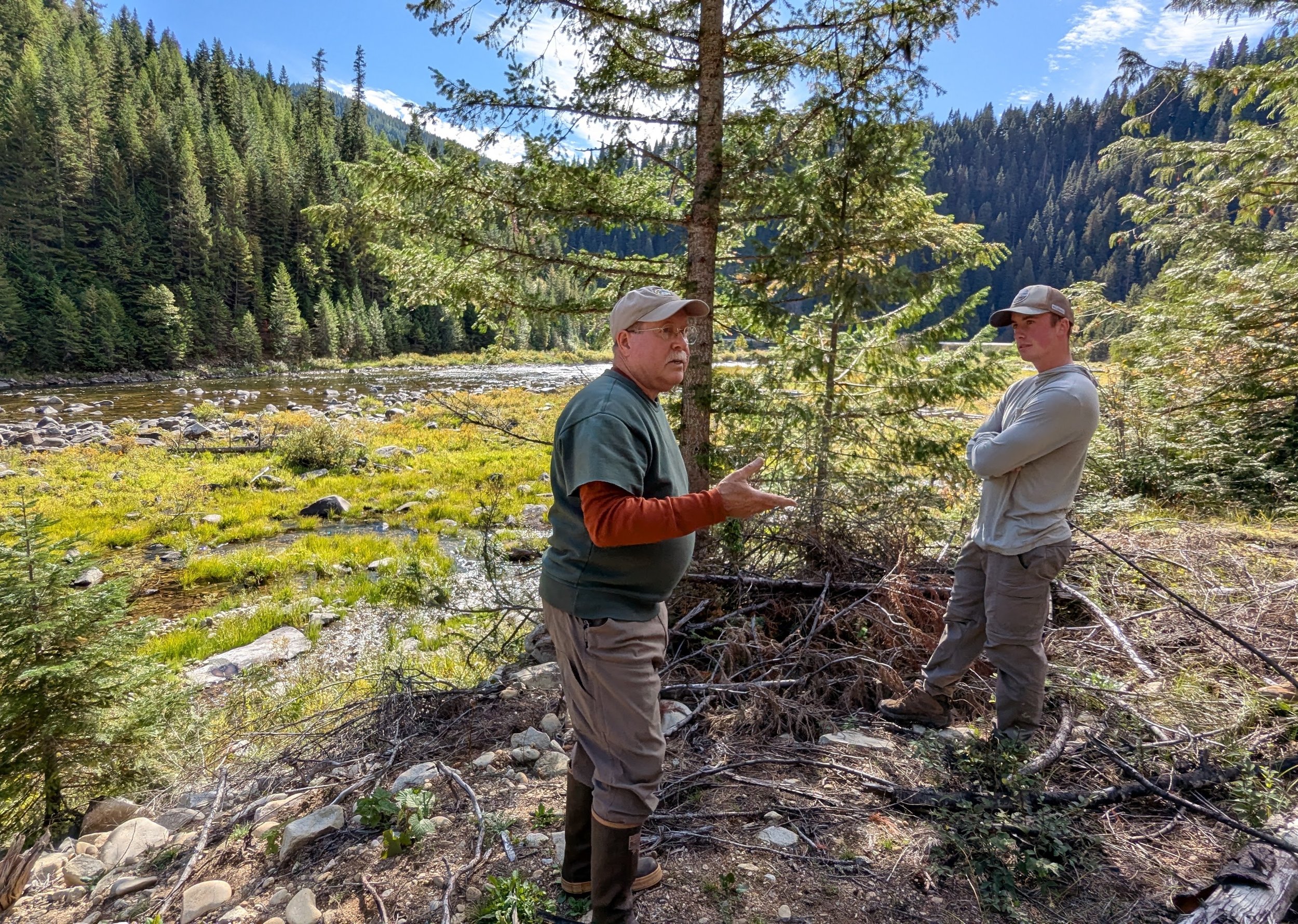
While it’s true non-profits can often find themselves restricted by funding availability, they also have a significant amount of flexibility and autonomy that federal land management agencies lack. Through conversations with people on both the non-profit and federal side of natural resources, and firsthand experience this year, I’ve come to understand that small groups like Great Burn can add substantial capacity to federal agencies. Especially in these times when our colleagues on the federal side are faced with uncertainty about agency priorities and unstaffed positions, it is imperative that we do not underestimate the value of specialized non-profit partners to cut through red tape and get boots on the ground work done effectively and efficiently.
Though I value all the lessons I’ve been taught over the past 10 months, I think what I am most grateful for is a broadened perspective, and the opportunity to dip my toes into a new side of natural resources. I know that no matter where I go in my future, I will look back at this time as a crucial growing experience, and reminisce fondly on lessons learned through time spent in the wild places of The Great Burn.