The way we manage access on our national forests is changing. The Great Burn could feel the effects for years to come.
For more than 20 years, the Forest Service has used the Travel Management Rule to establish a consistent framework for deciding where and how people can travel on National Forest System lands.
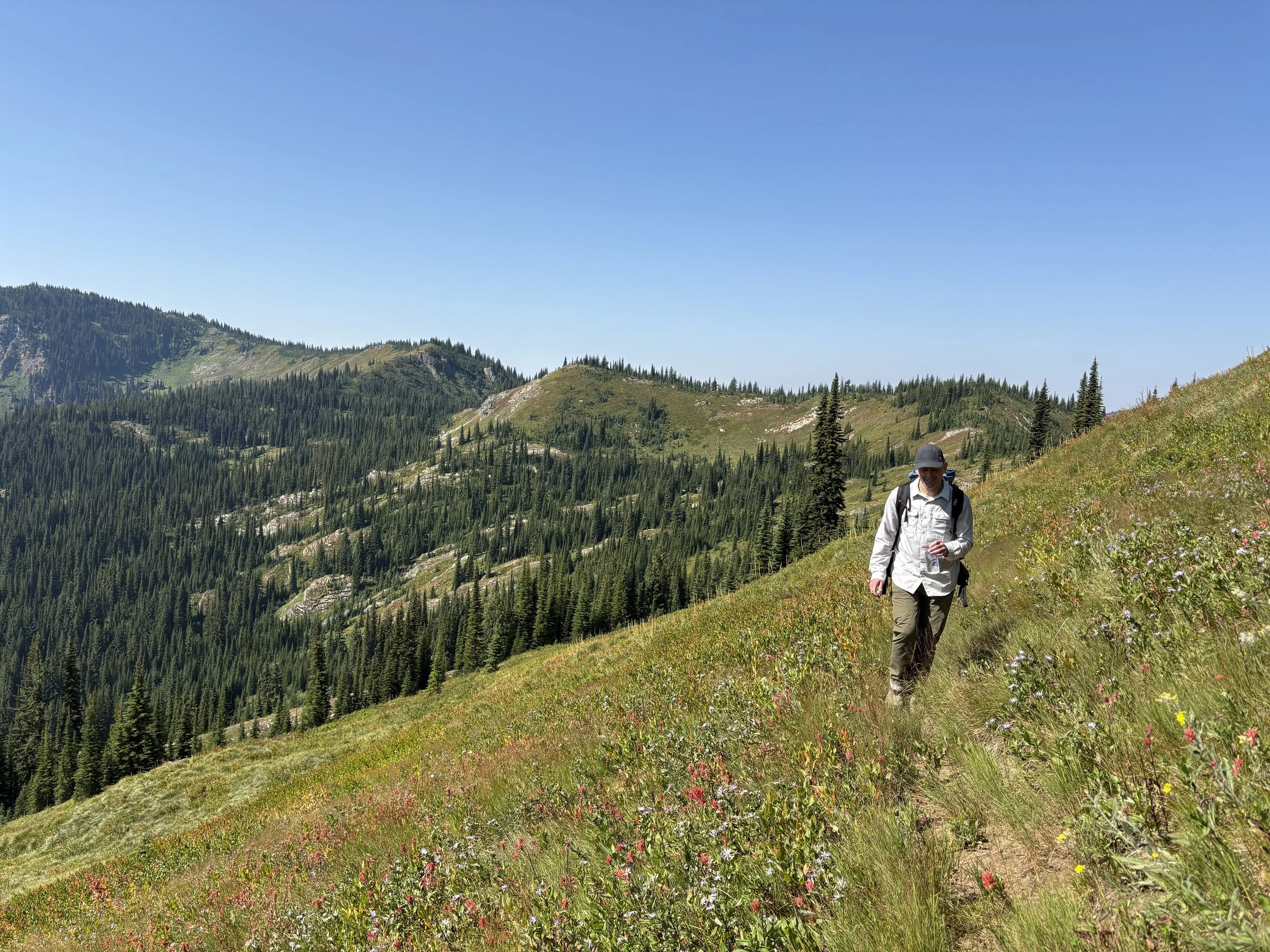
Travel management affects every aspect of how we experience the Great Burn ecosystem.
The basic premise is simple: the Forest Service designates roads, trails, and areas for certain uses and provides maps showing where that use is allowed. The system was created in response to growing concerns about unmanaged motorized recreation, including impacts to wildlife, water, soils, and other recreation users.
Now, that framework is being fundamentally reconsidered.
From “closed until opened” to “open unless closed”
The USDA has proposed major changes to the Travel Management Rule that would establish a presumption that existing roads, trails, airfields, trailheads, and other access routes are open to public use unless specifically closed or restricted.
That is a significant shift.
Under the current framework, the Forest Service identifies where mechanized and motorized use is appropriate. Under the proposed approach, there would be a greater presumption in favor of access, with local Forest Service officials determining when routes should be closed or restricted based on factors such as resource conditions, public safety, conflicts among users, and the agency's ability to maintain and administer them.
Importantly, the proposal would not immediately open every currently closed road or trail. Existing travel-management decisions would remain in place until they are changed.
Why does this matter in the Great Burn?
The Great Burn ecosystem is a place where the balance between access and protection matters enormously.
Its remote forests, alpine landscapes, rivers, and roadless areas (which are also currently threatened) provide important habitat and connectivity for wildlife, clean water, opportunities for hunting and fishing, and some of the region's best backcountry recreation.
GBCA's stewardship crews work on trails throughout the Great Burn, including routes used by hikers, horseback riders, mountain bikers, and motorized users. We clear fallen trees, repair drainage, address erosion, and help keep trails open and sustainable. Our crews and volunteers also spend hundreds of hours each season monitoring trails and talking with recreationists.
That work gives us a firsthand perspective on an important reality:
Access only works when we can manage it.
A route on a map isn't simply a line. It requires maintenance, monitoring, enforcement, and ongoing decisions about whether the landscape can sustain the use occurring there.
The Forest Service already faces significant challenges maintaining its existing transportation network. In a landscape as large, rugged, and remote as the Great Burn, those challenges are even greater.
Opening additional routes without adequate resources could mean more erosion, wildlife disturbance, unauthorized route development, user conflicts, and impacts to the very landscapes people come here to experience.
We need thoughtful, not unlimited, access
This isn't about choosing one kind of recreation over another.
GBCA supports responsible access to public lands, including motorized recreation. People experience and care for the Great Burn ecosystem in many different ways, and all of those experiences deserve consideration.
The question is whether access is thoughtfully planned, sustainable, enforceable, and compatible with the resources and experiences that make these places special.
Good travel management helps achieve that balance. It provides certainty for recreationists while giving the Forest Service a framework for protecting wildlife, water, soils, and other recreational experiences.
Local decisions need local voices
Travel-management decisions ultimately affect specific places.
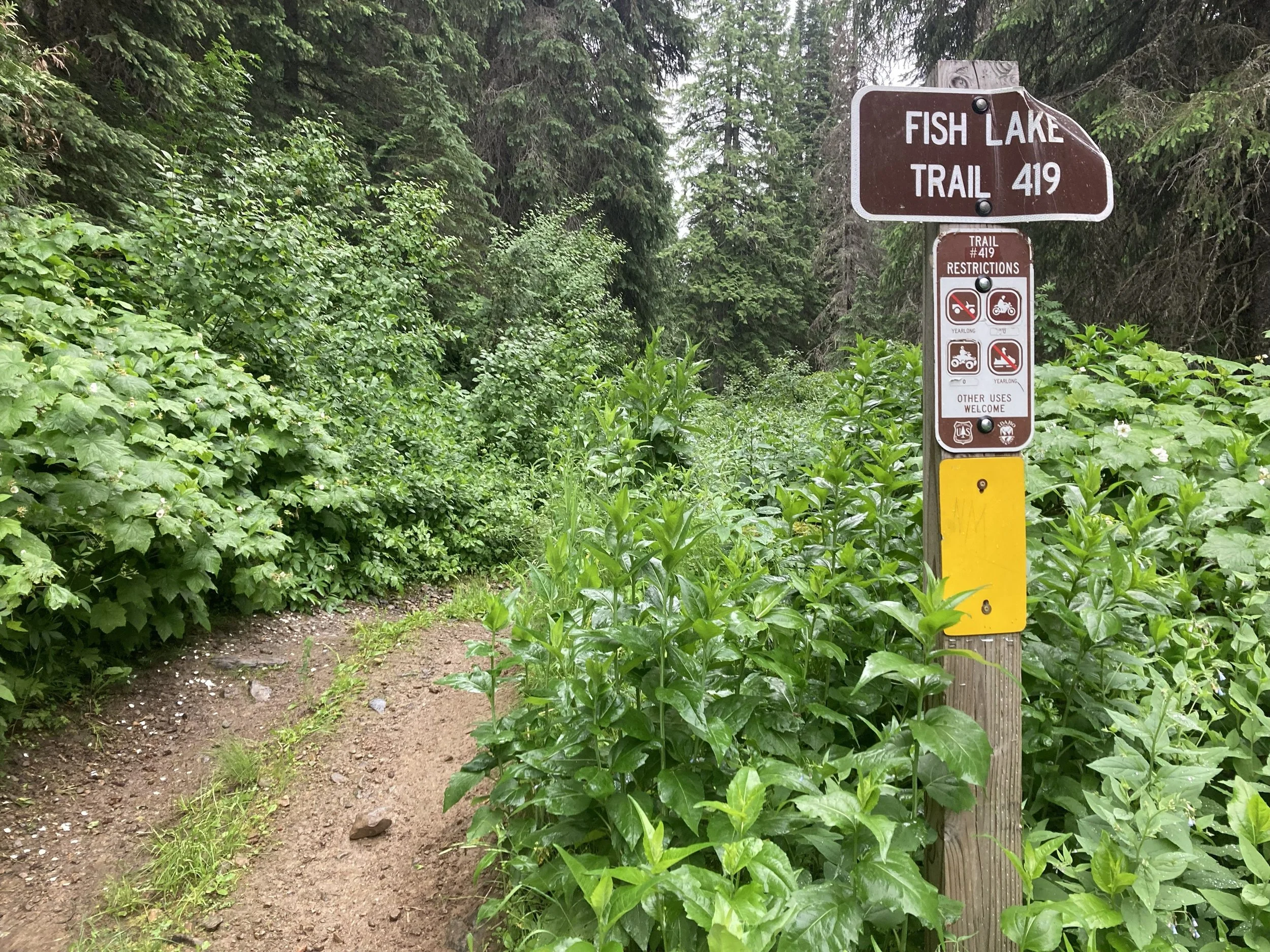
Where you can drive and ride on a Forest all depends on Travel Management. But with a shrinking USFS workforce, who will maintain and monitor these areas?
A decision about a road or trail in the Great Burn can affect wildlife habitat, water quality, recreation, solitude, and the ability of the Forest Service to maintain and monitor the route.
That's why public participation matters.
People who hike, hunt, fish, ride horses, mountain bike, snowmobile, ride motorcycles, or simply care about these landscapes often have firsthand knowledge that can help inform Forest Service decisions.
As the agency considers a new framework for travel management, we need to make sure local knowledge and meaningful public participation remain part of the process.
What happens next?
The Forest Service is beginning environmental review of the proposed changes, including potential effects on public access, wildlife, soil and water, recreation, and the agency's ability to maintain and administer roads and trails.
This is where you come in.
If you care about the Great Burn, now is the time to tell the Forest Service what you want the future of access on our public lands to look like.
Not sure what to say?
You don't need to be an expert. Tell the Forest Service, in your own words, why thoughtful travel management matters to you and the places you care about.
You might consider saying:
I support science-based travel management that protects natural resources while providing appropriate public access.
I oppose creating a presumption that existing roads and trails should be open unless specifically closed.
The Forest Service should not expand access without the funding and capacity to maintain, monitor, and enforce those routes.
Travel-management decisions should consider impacts to wildlife, water quality, soils, habitat connectivity, solitude, and other recreation.
The Great Burn's wild character should be considered when making decisions about motorized access.
The public should have meaningful opportunities to participate in decisions about roads, trails, and motorized use.
Most importantly, make it personal. Tell the Forest Service how you use the Great Burn ecosystem, what you value about it, and what you want future generations to experience.
The Great Burn's wildness is precisely why thoughtful management matters.